posted 19th February 2026
By Jon Shaw, Ironman Certified Coach, ESCI Certified Coach Your Coach page
Think you need to be an Olympic swimmer to race an Ironman? Think again. Learn why "proficiency" beats "perfection," how to beat the 2:20 cutoff, and why your breaststroke might be your biggest race-day liability.
Of all the fears that keep aspiring triathletes awake at 2:00 AM, the "Swim" is usually the one screaming the loudest. You look at the stats: 2.4 miles (3.8km) of open water. No walls to grab. No black line to follow. Just you, three thousand other flailing limbs, and the deep, dark blue.
The common misconception is that you need to be a "good" swimmer—a former high school standout or a fish-like human—to even consider signing up.
Here is the reality: No, you do not need to be a "good" swimmer to start training for an Ironman. But you absolutely must be a proficient one.
In this deep dive, we’re going to strip away the "aqua-phobia," look at the math of the 2:20 cutoff, and discuss why your current stroke might need a total overhaul before you hit the transition area.
Defining "Good" vs. "Proficient"
In the world of Ironman, "good" is a relative term. To a pro, a 50-minute swim is "standard." To a mid-pack age-grouper, a 1-hour-15-minute swim is "great."
However, for a beginner, the goal isn't "good"—it's proficiency.
Proficiency means:
- You can maintain a rhythmic breath without panicking.
- You can navigate in a straight line (sighting).
- You can swim the distance without needing to stop or hang onto a kayak.
- You understand how to move through the water efficiently enough to save your legs for the 112-mile bike ride ahead.
Ironman isn't a swimming race; it's an endurance event that starts with a swim. If you finish the swim but you're physically shattered, your race is effectively over before you even touch your bike.
The Maths of the Cutoff: 2 Hours and 20 Minutes
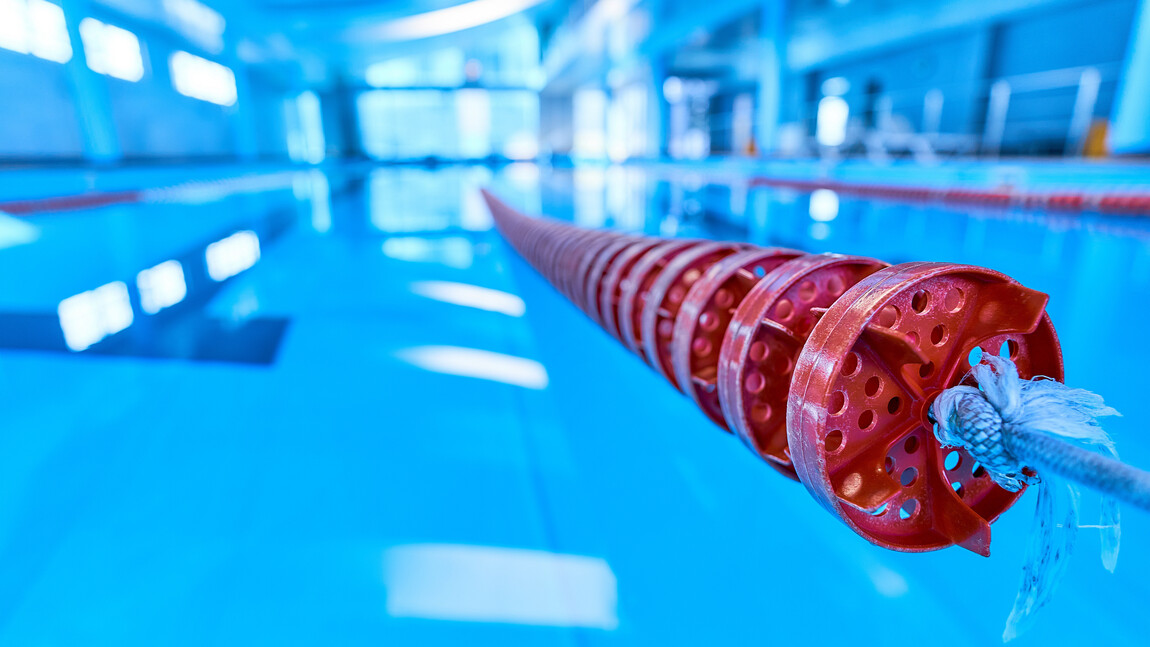
Ironman is famous for its "strictly enforced" cutoffs. For the swim, you generally have 2 hours and 20 minutes from the time you cross the timing mat at the water's edge.
If you aren't out of the water by then, a volunteer will kindly (but firmly) take your timing chip, and your day is done. No bike. No run. No medal.
Let’s Break Down the Pace
To beat the cutoff, you need to maintain a pace of approximately 3 minutes and 40 seconds per 100 meters. For context:
- Average Swimmer: 1:45–2:00 per 100m.
- Slow but Steady Swimmer: 2:15–2:30 per 100m.
- The "Cutoff" Pace: 3:40 per 100m.
As you can see, the time limit is actually quite generous. You don't need to be fast; you just need to keep moving. The danger isn't your top speed—it's stamina. Most DNFs (Did Not Finish) in the swim happen because an athlete panics, stops, and lets the clock bleed out.
The 400m Benchmark: Are You Ready to Train?
Most Ironman training plans don't start at "Day 1: Learn how to blow bubbles." They assume a baseline level of fitness.
The Gold Standard: You should be able to swim 400 meters (8 lengths of an Olympic pool) continuouslybefore you officially begin a 24-week Ironman build.
Why 400 meters? It’s the threshold where "survival swimming" turns into "aerobic swimming." If you can do 400m without stopping to gasp for air at the wall, your body has adapted to the breathing rhythm required for the full 3,800m. If you aren't there yet, spend 4–8 weeks in "pre-training" focusing solely on basic freestyle technique.
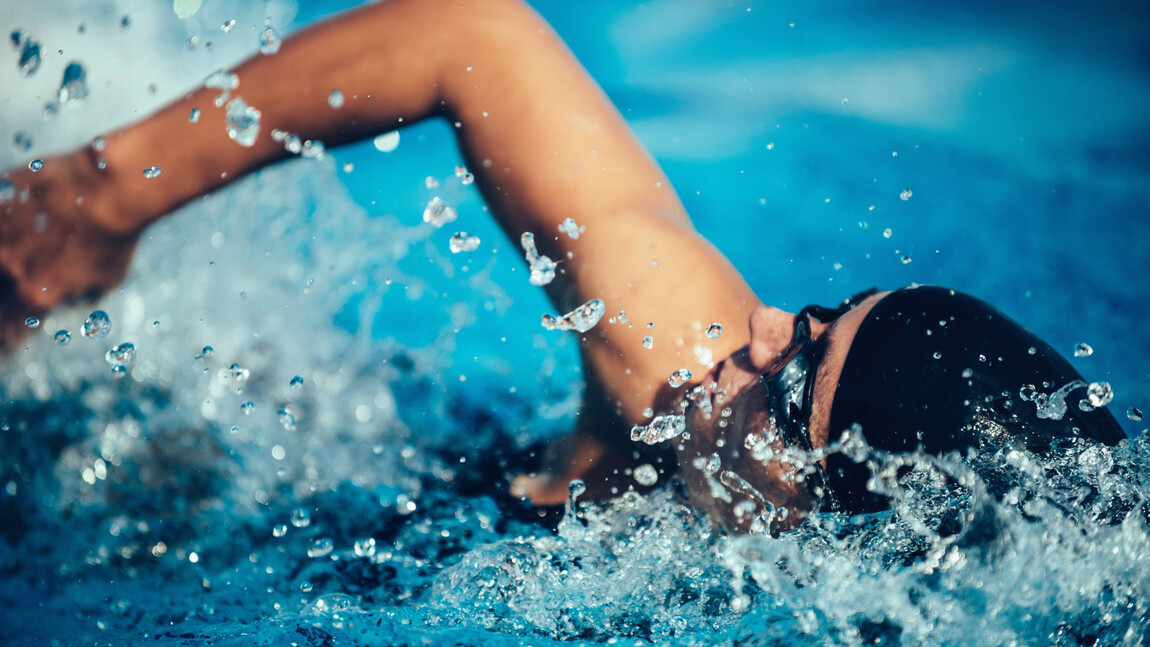
The Breaststroke Debate: Can You? (And Should You?)
"Can I do breaststroke in an Ironman?"
Technically, yes. Most Ironman races allow any forward-moving stroke (though backstroke is often discouraged for safety/navigation reasons). However, doing the breaststroke is widely considered a huge strategic mistake for two main reasons:
The "Frog Kick" Menace
Ironman swims are crowded. You are swimming in a "washing machine" of people. If you use a wide breaststroke kick, you are going to kick other athletes in the face, ribs, or stomach. This is the fastest way to make enemies in the water and can lead to mid-swim confrontations or even disqualification if officials deem your swimming "unsportsmanlike" or dangerous.
The Energy Drain
Breaststroke is an "active" stroke. It requires significant leg power and brings your hips low in the water, creating massive drag. In an Ironman, you need to . Freestyle (front crawl) allows your upper body to do 90% of the work while your legs merely flutter for balance. Swimming 2.4 miles of breaststroke will leave your quads and hip flexors cooked before you even start the 112-mile bike.
The Beginner’s Secret Weapon: The Wetsuit
If you are a "sinker" (someone whose legs drop toward the bottom), the wetsuit is your best friend.
Most Ironman races are "wetsuit legal" (water temperature below 76.1°F / 24.5°C). A triathlon-specific wetsuit provides:
Buoyancy: It lifts your hips and legs to the surface, making you feel like you're swimming "downhill."
Efficiency: For a poor swimmer, a wetsuit can shave 5–10 seconds per 100m off your time instantly.
Confidence: It’s essentially a high-performance life jacket. It is very difficult to sink in a full-sleeve wetsuit.
Caution: Don't let the wetsuit be a crutch. You still need to put in the pool hours to build the shoulder endurance required to move that extra neoprene for two hours.
Open Water vs. The Pool: A Different Beast
Being a "good pool swimmer" doesn't automatically make you a "good Ironman swimmer." The transition to open water introduces variables the pool can't simulate:
- Sighting: There is no blue line on the bottom of the lake. You have to lift your head every 6–10 strokes to look for buoys. If you can’t sight, you might end up swimming 3 miles instead of 2.4.
- The "Washing Machine": The mass start (or rolling start) involves physical contact. You will get bumped. Your goggles might get knocked. Proficiency means being able to handle that contact without a panic attack.
- Temperature: Cold water can trigger a "gasp reflex." Learning to put your face in 60-degree water and breathe calmly is a skill in itself.
How to Become a Proficient Swimmer: A 3-Step Strategy
Step 1: Get a Stroke Analysis
Swimming is 80% technique and 20% fitness. Before you start grinding out thousands of yards, pay a coach to film you. Fixing a "draggy" leg kick or a "crossing over" hand entry will save you more time than six months of hard intervals.
Step 2: Join a Masters Group or Tri Club
Swimming alone is boring and slow. Swimming with a "Masters" group (adult swim team) pushes you to hold paces you wouldn't attempt solo. Plus, the "on your feet" nature of group swimming prepares you for the proximity of other swimmers on race day.
Step 3: Practice "Tarzan" Drills
This is a drill where you swim freestyle with your head completely out of the water, looking forward. It builds neck strength and prepares you for sighting buoys in choppy water.
Common Beginner Swim Mistakes to Avoid
| Mistake | Why it hurts you | The Fix |
|---|---|---|
| Kicking too hard | Burns oxygen and tires legs for the bike. | Use a light "flicker" kick for balance only. |
| Holding your breath | Causes CO2 buildup and leads to panic. | Exhale continuously while your face is in the water. |
| Only swimming in a pool | No preparation for waves or sighting. | Get in a lake/ocean at least once every two weeks. |
| Buying a cheap surf wetsuit | Too thick in the shoulders; causes fatigue | Buy a triathlon-specific wetsuit for shoulder flexibility. |
The Mental Game: "Just Keep Bubbling"
Most people who struggle with the Ironman swim aren't struggling with fitness—they're struggling with anxiety. The water is the only place in the race where you can't just stop and stand up if you're tired.
The Pro Tip: Focus on the "bubbles." If you feel panic rising, look at the bubbles from your hand entry. Focus on the sound of your exhale. Narrow your world down to the 12 inches in front of your face. By the time you look up, you'll be halfway there.
Summary: You Can Do This
You don't need to be a "good" swimmer to start. You just need to be a willing one.
If you can swim 400m today, you have the foundation. If you commit to 3 swims a week for the next six months, focusing on a long, efficient freestyle stroke, you won't just beat the 2:20 cutoff—you’ll run out of the water with a smile on your face, ready to dominate the next 138.2 miles.