
posted 23rd February 2026
By Jon Shaw, Ironman Certified Coach, ESCI Certified Coach Your Coach page
The Frankenstein Walk: Why "Brick" Workouts Are the Secret Sauce of Ironman Success
You have just finished a solid two-hour bike ride, and you feel great. Your heart rate is steady, your fuelling is on point, and you are feeling like a bit of a hero. You rack your bike, lace up your running shoes, and take your first step onto the pavement.
Suddenly, you aren't a hero; you are a baby deer on a frozen lake. Your legs feel like they’ve been replaced by heavy, wooden pillars. Your brain is telling your feet to move, but your muscles are stuck in a circular, pedalling rhythm that has no interest in the vertical impact of running.
Welcome to the "Brick". If you’re training for an Ironman, you’ve likely seen this term scattered across every training plan. In this deep dive, we explore the physiological "magic" of stacking disciplines, how to survive "jelly legs," and why Brick training is the most important mental preparation you will do before race day.
What Exactly is a "Brick" Workout?
At its simplest, a Brick workout refers to back-to-back training sessions of two different disciplines with minimal rest in between. In the triathlon world, the term almost exclusively refers to a run immediately following a bike ride.
Why the name "Brick"?
There are two primary schools of thought regarding the name:
• The "Building Block" Theory: These workouts are the "bricks" that build the foundation of your race.
• The Visceral Theory: Your legs feel like heavy, useless bricks the moment you start running.
• The Backronym: Some athletes use the acronym "Bike-Run-In-Consistent-Kinetic".
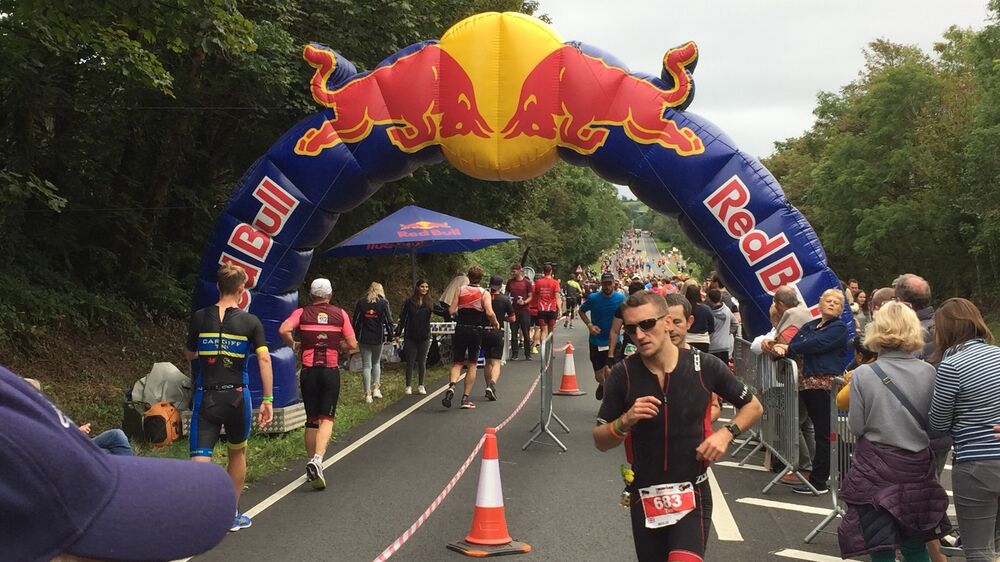
The Science of "Jelly Legs": What’s Happening to Your Body?
The transition from the bike to the run, known as T2, is the most physically jarring part of a triathlon. To understand the "strange" feeling, we look at three physiological factors:
Neuromuscular Redirection
When you cycle, your muscles fire in a specific, repetitive, circular pattern. Your nervous system becomes "locked in" to this rhythm. When you start running, your brain is still sending "pedal" signals while your body demands "stride" signals. It takes about 10 to 20 minutes for your neuromuscular system to "reset".
Blood Shunting
During a long bike ride, blood is directed to specific groups like the quads, glutes, and hamstrings to support a seated position. When you stand up to run, your body must rapidly "shunt" or redistribute that blood to support an upright posture and impact-absorbing muscles.
The "Impact" Shock
Cycling is zero-impact, whereas running is high-impact. The sudden introduction of gravitational force after hours of smooth spinning is a shock to the skeletal system. A Brick workout "pre-conditions" your bones and tendons to handle this sudden shift in load.
Why You Can’t Skip the Brick
An Ironman marathon is not a standard marathon; it is a marathon on tired legs. If you have never practiced the transition, the first six miles of your Ironman run will likely be a disaster of pacing and biomechanics.
- Training Your "Pacing Brain": Athletes often run too fast in T2 because legs are "primed" from high-speed bike turnover. You might feel like you are at a 10:00/mile pace when you are actually at an 8:00/mile sprint. Bricks teach you to dial in your actual race pace immediately.
- Practicing Nutrition Transitions: Your stomach behaves differently on a bike (relatively stable) than it does on a run (bouncing around). Brick workouts test if your bike fuelling will cause a "GI explosion" during the run.
| Type | Purpose | Workout Example | Timing |
|---|---|---|---|
| Transition | To get the "jelly" out of the legs | 1–2 hr bike / 15–20 minute run | Base and Build phases |
| Endurance | Test nutrition and mental stamina | 4–5 hr bike / 45–60 minute run | 3–4 times in Peak phase |
| Multi-Brick | Practice transition efficiency repeatedly | 30m bike / 10m run (repeat) | Advanced athletes |
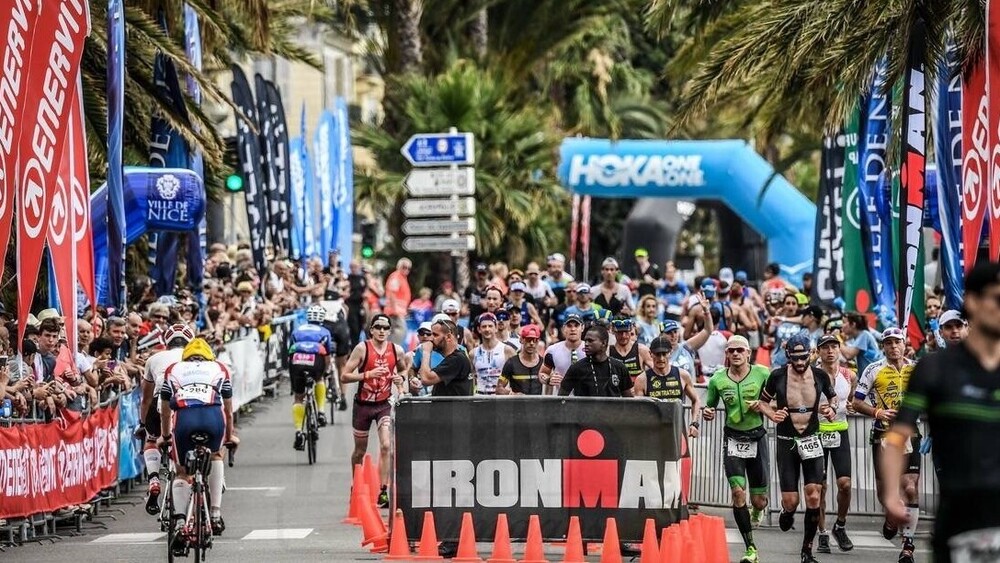
How to Master T2 (The Transition Discipline)
The Brick is as much about logistics as it is about the legs.
- Gear Organisation: Practice your "layout" (e.g., helmet off first, then shoes) to avoid "brain fog" mistakes.
- Elastic Laces: Using elastic "lock" laces prevents fumbling with double knots when fingers are shaky and legs are heavy.
- The "Flying Dismount": While not for beginners, advanced athletes practice getting feet out of shoes while moving to save minutes.
Common Brick Workout Mistakes to Avoid
- Running too far: Fatigue increases injury risk; keep most Brick runs under 30 minutes.
- Doing them every day: Bricks tax the Central Nervous System (CNS); limit to once or twice a week.
- Skipping the Warm-up: Always do 15 minutes of easy spinning before the main set.
- Ignoring the "First Mile": Trust that "jelly legs" usually fade by mile 2.
Sample Brick Workouts for Every Level
Beginner: The "Confidence Builder"
- Bike: 90 minutes at a conversational pace (Zone 2).
- Transition: Spend no more than 5 minutes changing shoes.
- Run: 15 minutes focusing on high cadence/short steps.
Intermediate: The "Tempo Tester"
- Bike: 2 hours, including 2 x 20 minutes at Race Pace.
- Transition: Aim for under 3 minutes.
- Run: 30 minutes (10m at Race Pace + 15s, 20m at Race Pace).
Advanced: The "Iron-Specific" Peak
- Bike: 5 hours (including hilly terrain).
- Transition: Efficient and quick.
- Run: 60 minutes (15m easy / 30m Race Pace / 15m easy).
Summary: Building Your Ironman Foundation
A Brick workout is the bridge between being a cyclist and being a triathlete. It handles the neuromuscular shift, blood shunting, and mental hurdles of race day. Remember:
- Prioritise consistency over distance.
- Practice T2 logistics until they are a habit.
- Trust that "lead legs" will lighten up if you keep moving.
If you can master the Brick, you can master the Ironman. Now, lace up those shoes—it’s time to find out what those "bricks" are made of.

To help you master your next Brick workout, use this T2 (Transition 2) checklist to streamline your movement from the bike to the run. Practicing this during training reduces "brain fog" and prevents fumbling on race day.
The "Brick" Transition Checklist
The Pre-Dismount (Last 5-10 minutes of the bike)
- High Cadence: Shift into an easier gear and increase your RPMs to help your legs prepare for the running stride.
- Hydrate/Fuel: Take your final sip of water or nutrition while your bike is stable, rather than waiting for the run.
- Stretch: Stand up on the pedals briefly to stretch your hip flexors and lower back.
The Transition Area Layout (Setting up your "Bricks")
- Running Shoes: Ensure your shoes are open and ready to step into, ideally with elastic "lock" laces to save time.
- Socks (Optional): If you choose to wear them, have them rolled down for a quick "roll-on" to avoid struggling with sweaty feet.
- Race Belt: Have your bib number attached to your race belt so you can snap it on as you run out.
- Hat/Visor & Sunglasses: Place these inside your running shoes or on top of your gear bag so you don't forget them.
The Move (Bike to Run)
- Rack Your Bike: Secure the bike first.
- Helmet Off: Do not unclip your helmet until your bike is safely racked (this is an Ironman rule).
- Shoe Swap: Remove cycling shoes and step directly into your running shoes.
- Grab and Go: Don't linger. You can put on your hat, sunglasses, and race belt while you are walking or jog-striding out of the transition area.
The First Mile Focus
- Check the Watch: Your legs will feel "primed" from the bike; check your pace to ensure you aren't sprinting too fast.
- Cadence over Stride: Focus on short, quick steps rather than long, heavy lunges to help your neuromuscular system "reset" faster.
- Embrace the "Jelly": Acknowledge the leaden feeling in your legs and trust that it will fade within the first 15–20 minutes.