posted 23rd April 2026
By Jon Shaw, Ironman Certified Coach, ESCI Certified Coach Your Coach page
If you put ten triathletes in a room and ask which discipline is the most important, you’ll get twelve different answers and at least one argument about carbon plating.
The swimmer will talk about "setting the tone." The runner will talk about "where the race is won." The cyclist will simply point to their £10,000 bike and look superior. But when you strip away the ego and look at the cold, hard data of a 140.6-mile race, a clear hierarchy emerges.
For most amateur athletes, the answer isn’t found in the water or in a pair of super-shoes. The most important discipline to focus on is the one that bridges the two: The Bike.
In this deep dive, we’re going to undo the "equal importance" myth and explain why your bike fitness, run durability, and swim efficiency are the three pillars of your Ironman success—and why one of them is significantly taller than the rest.
The King of the Road: Why Bike Fitness Rules All
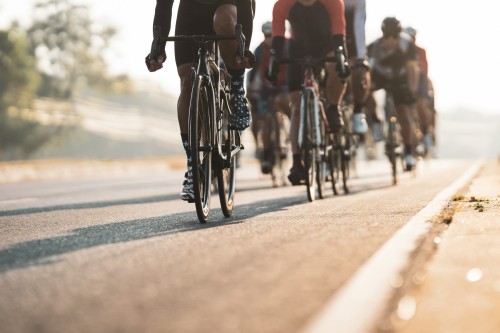
In an Ironman, the bike is the undisputed king. It accounts for approximately 50% to 60% of your total race time. Because of this sheer volume, bike fitness is the single biggest performance determinant for most athletes.
The "Set-Up" Factor
You don’t ride the bike to win the race; you ride the bike to allow yourself to run. A common mistake is thinking of the 112 miles as a standalone event. In reality, your bike fitness dictates your metabolic state when you start the marathon. Ironman Brick Workouts: Mastering the Bike-to-Run Transition article
- The Efficient Engine: A fit cyclist can ride at a high percentage of their functional threshold while remaining in a "fat-burning" aerobic zone.
- The Run Reserve: If you are under-trained on the bike, you will burn through your glycogen stores just to finish the ride, leaving you with an empty tank for the marathon.
The Time Return on Investment (ROI)
- Improving swim pace by 10 seconds per 100 meters saves roughly 6 minutes.
- Improving bike pace by just 1 mph can save 20–30 minutes.
- Training hours are most effectively spent in the saddle from an ROI perspective.
The Marathon: A Test of Durability, Not Speed
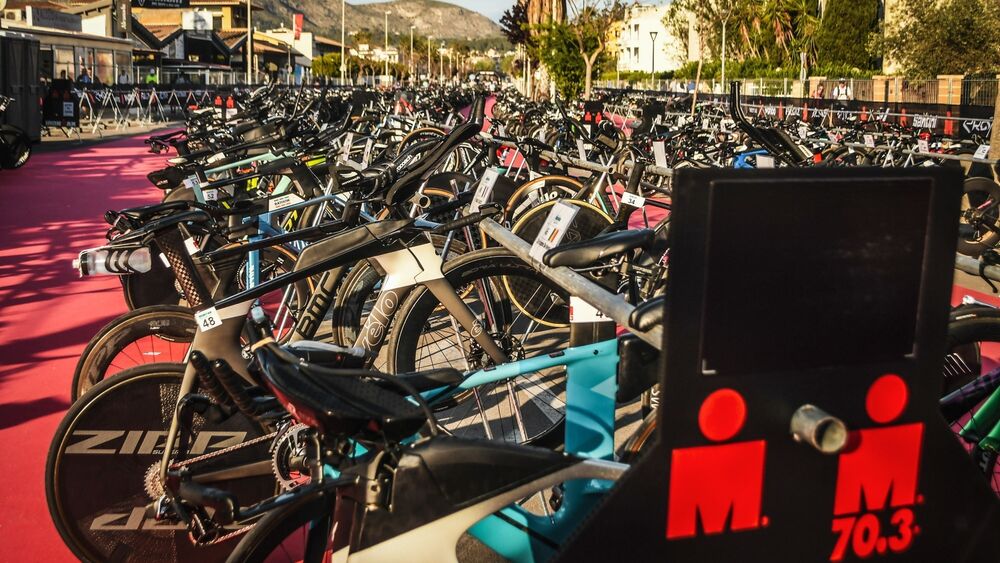
The Ironman marathon is rarely a display of raw human speed. Even the fastest runners in the world aren't running their "open" marathon PBs during an Ironman. This is because the Ironman marathon is often about durability and pacing, not raw speed.
The "Slowest Fade" Wins
In a traditional marathon, you are racing the clock. In an Ironman marathon, you are racing the "fade."
- Mechanical Durability: Your legs have been through 114.4 miles of movement before you even start the run. Your ability to maintain form and absorb impact after that load is what prevents the "Ironman Shuffle."
- Pacing as a Weapon: Most athletes start the run too fast, fuelled by adrenaline and "jelly legs" from the bike. Success comes from the discipline to hold a steady, sustainable pace from mile 1 to mile 26.2.
The "Pacing Brain"
Durability isn't just physical; it's the mental ability to manage your effort. A "fast" runner who lacks durability will crumble at mile 18. A "durable" runner who understands pacing will pass hundreds of people in the final hour of the race.
The Swim: The Gateway of Efficiency
Amateurs often panic about the 2.4-mile swim, but in the grand scheme of the Ironman, the swim is a warm-up. You cannot win an Ironman in the water, but you can certainly lose it there.
The goal of the swim is not speed; swim efficiency saves energy for the rest of the day.
The Energy Tax
Water is 800 times denser than air. If your technique is poor, you are fighting a losing battle against drag.
- Low Efficiency: A "struggling" swimmer might finish in 1 hour and 20 minutes but arrive at T1 with a heart rate of 160 bpm and high levels of systemic fatigue.
- High Efficiency: A proficient swimmer might finish in the same 1 hour and 20 minutes but arrive at T1 with a heart rate of 130 bpm, feeling like they just went for a light stroll.
Preserving the "Chassis"
By focusing on efficiency rather than "winning" the swim, you keep your core temperature down and your heart rate in check. This "saved" energy is exactly what you need to power through the wind on the bike and the heat on the run.
Comparing the Impact: The Performance Table
| Discipline | Role in the Race | Performance Goal | Impact on Total Time |
|---|---|---|---|
| Swim | The Prelude | Efficiency | Low (saves energy) |
| Bike | The Engine | Fitness | High (biggest determinant) |
| Run | The Closer | Durability/Pacing | Moderate to High (prevents the fade) |
Strategic Training Allocation: How to Prioritise
Knowing that bike fitness is the primary determinant, how should you structure your week?
The 50/30/20 Rule
A balanced approach for the amateur athlete usually looks like this:
- 50% Bike: Dedicate half of your training time to the saddle. This includes your long rides and at least one high-intensity interval session to raise your ceiling.
- 30% Run: Focus on "frequency" over "hero runs." Three or four 45-minute runs are often more effective for building durability than one massive, injury-inducing 3-hour run every week.
- 20% Swim: Focus on technique and "feel for the water." Two to three sessions a week of high-quality drills and steady intervals are enough for most to achieve the necessary efficiency.
Differentiation: Why This Isn't "Standard" Advice
Most generic training plans treat the three disciplines as equal partners. They give you "Monday Swim, Tuesday Bike, Wednesday Run" in a revolving door of volume.
Our approach is different because we prioritise the "Chain Reaction":
- Efficient swimming protects the bike engine.
- A powerful bike engine protects the run legs.
- Durable run legs allow the pacing strategy to succeed.
If you ignore bike fitness to "become a better runner," you will likely find yourself too exhausted to actually use that running talent on race day. You must train the engine that carries you through the longest part of the day.
Conclusion: The Verdict
If you have a limited amount of time and you want the best possible result, focus on the bike.
- Bike fitness is your primary performance determinant.
- Marathon success is a byproduct of durability and pacing.
- Swim success is a byproduct of energy-saving efficiency.
Master the bike, and you give yourself the opportunity to be the runner you know you can be. Ignore the bike, and the marathon will remind you—painfully—of why those 112 miles mattered so much.