posted 12th May 2026
By Jon Shaw, Ironman Certified Coach, ESCI Certified Coach Your Coach page
You’ve nailed the intervals. You’ve mastered the "9-Day Microcycle". You’ve even started using the bike as a "Volume Multiplier" to build your engine without crushing your joints. But there is one discipline in Ironman and ultra-endurance training that is more impactful than any carbon-plated shoe or aerodynamic bike frame: Sleep.
In the world of Infinite Endurance, we talk a lot about the "Chassis"—the bones, tendons, and ligaments that keep you moving. We talk about the "Engine"—your aerobic capacity and VO2 max. But if the engine is the power and the chassis is the frame, sleep is the overnight pit crew that repairs the "Structural Tax" you pay every time your foot hits the pavement.
For the amateur athlete balancing a 40-hour work week, family commitments, and a 15-hour training load, sleep isn’t just "rest." It is a high-performance requirement.
The Data Trap: Metrics vs. Reality
We live in an era of unprecedented data. Many athletes I work with become obsessed with sleep scores, recovery percentages, and readiness metrics. They wake up, check their watch, and panic if their "recovery score" is in the red.
Here is the truth: Tracking sleep can be helpful… but only if it helps you make better decisions, not stress more.
If you wake up feeling refreshed but your watch tells you that you had a "poor" night of sleep, which one do you believe? Too many athletes let a digital algorithm dictate their psychological state for the day. At Infinite Endurance, I remind my athletes that your body is far more robust than your watch data may advise.
One poor night of sleep doesn't ruin your training. It doesn't undo weeks of "Strategic Integration" or metabolic work. Your body is a masterpiece of adaptation, and it can handle a single night of tossing and turning.
Looking for the Pattern, Not the Snapshot
Sleep tracking works best when you stop looking at the daily "score" and start noticing the trends. This is how I use data when planning an athlete’s journey toward an "Infinite" potential. We use tracking to answer the big-picture questions:
- Consistency During Hard Blocks: Are you consistently getting enough sleep during those peak training weeks where the volume is at its highest?
- The "Flat" Feeling: Do your weeks of poor sleep line up with the sessions where you feel "flat" or struggle to hit your target power?
- The Stimulant Audit: Are late-day caffeine, evening alcohol, or excessive screen time before bed visibly affecting your recovery trends?
The goal isn't "perfect" sleep. Perfection is the enemy of the amateur athlete. The goal is to give your body enough opportunity to recover consistently.
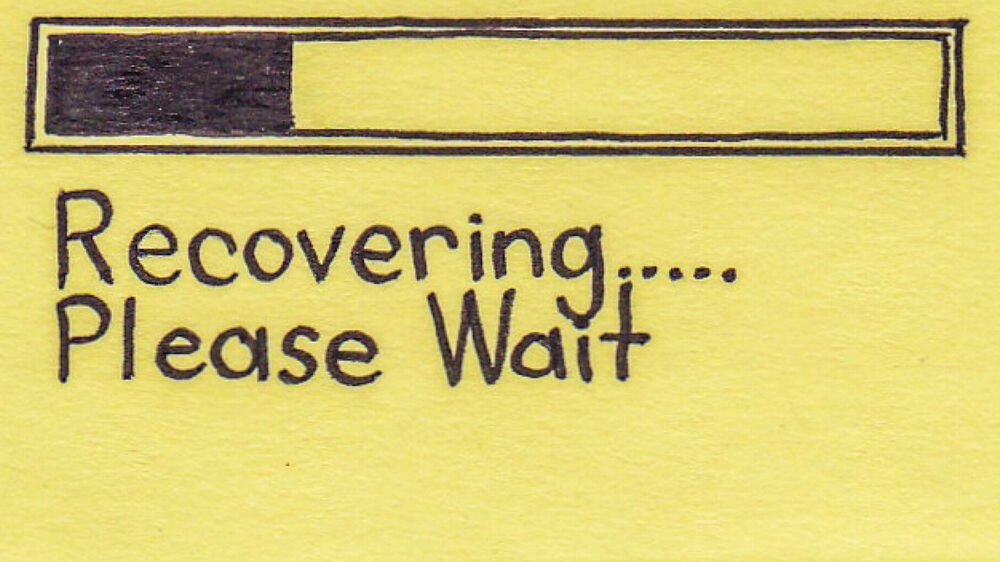
Repairing the "Chassis" and the "Engine"
Why is this so critical for the endurance athlete? Because of how your body handles repair.
When you are training for an Ironman, you are subjecting your body to massive amounts of "eccentric loading" and physical stress. During deep sleep, your body releases the lion's share of its human growth hormone (HGH). This is the "mechanical therapy" that repairs damaged muscle tissue and strengthens the chassis.
If you cut your sleep short to squeeze in an extra session, you are effectively building a bigger engine on a crumbling frame. Eventually, that leads to a "recipe for a niggle or worse a major injury".
By prioritising the "Anabolic Window" that sleep provides, you allow your aging joints and tendons the time they need to recover, which is especially vital for the Masters athlete.
How We Integrate Sleep Into Your "Infinite" Plan
When I work with new athletes, we don’t just look at their TrainingPeaks files for power and pace; we look at the context of their life.
If an athlete has a high-stress week at work or a newborn at home, we adjust the 9-day plan. We might replace a high-impact "Hill Session" with a low-impact "Recovery Spin" on the bike to flush the legs out without adding to the systemic fatigue.
We recognise that sometimes the best recovery tool isn't a massage gun, a fancy supplement, or another expensive metric. It’s simply getting to bed earlier.
The "Infinite" Sleep Strategy:
- Prioritise Opportunity: Aim for an 8-hour window in bed, even if you don't sleep for all 8.
- Audit the Trends: Use your tracker to see how alcohol or late-night stress affects your resting heart rate over a week, not a single night.
- Context-First Coaching: If the sleep data and your "subjective feel" say you're buried, we pivot the plan. We don't pound through the breakdown.
Conclusion: Become a Thinking Athlete
The bike is a sophisticated tool for the thinking runner, and sleep is a sophisticated tool for the thinking human. If you want to stop the cycle of "train, get injured, rehab, repeat," you have to change your operating system.
You don't win your Ironman on the pavement alone; you win it in the hours between the sessions where your body rebuilds itself into something stronger, faster, and more durable than ever before.
Stop stressing about the "recovery percentage" on your wrist. Start giving your body the opportunity it deserves.
Ready to build a bigger engine without the breakdown? [Click Here to Contact me for a Free 15-Minute Performance Audit] Contact Us page Let’s look at your current mileage, your recovery trends, and build a plan that makes you truly Unbreakable.